
Related tour
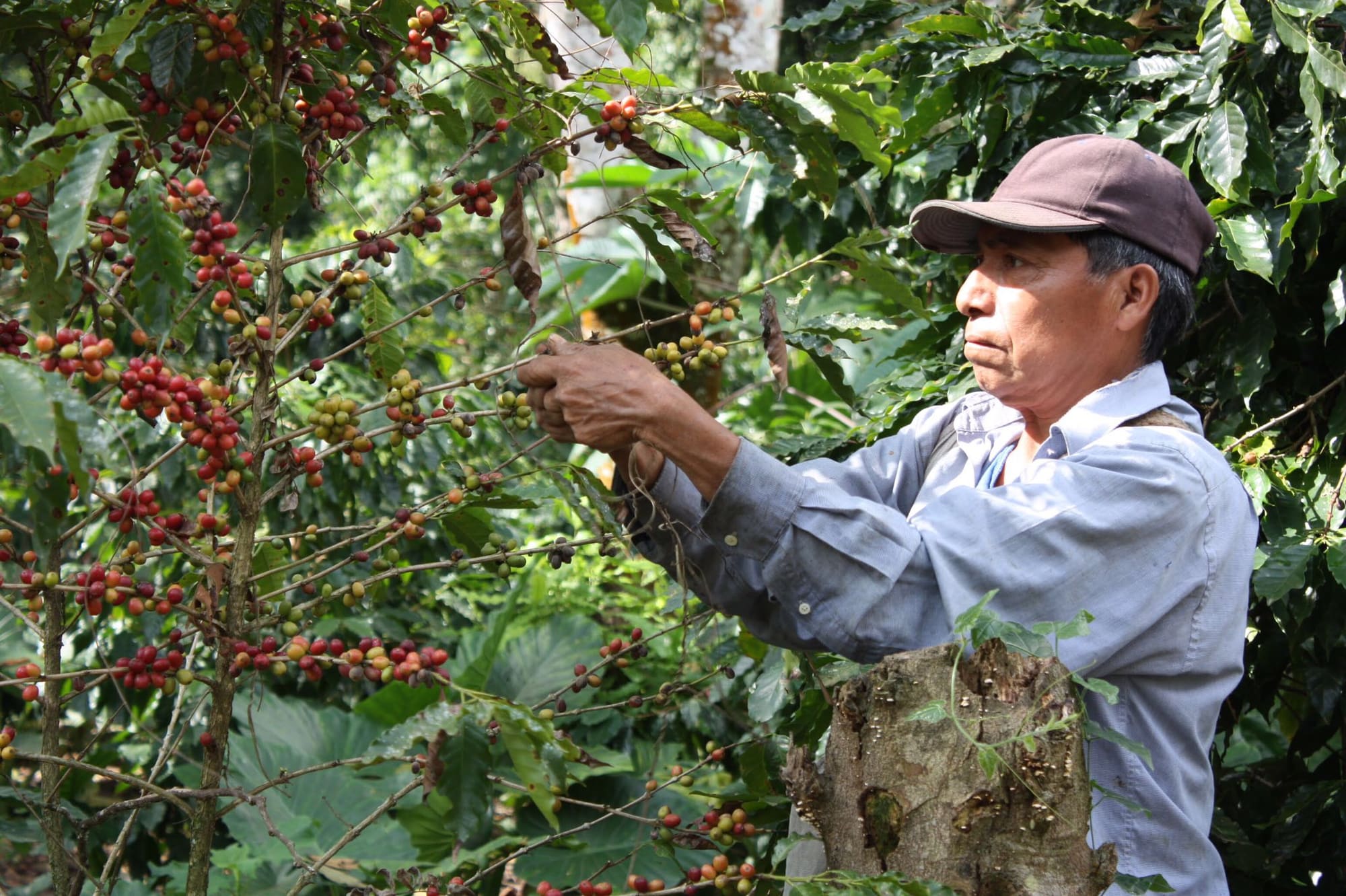
Coffee Trail — Xilitla Coffee Farm by RZR
3.5–4 h, Departs 8:00–9:00 AM
$900MXN per person
Few dishes in Mexico spark as much curiosity as zacahuil. When travelers arrive in the Huasteca Potosina and see this tamale for the first time—it can be more than a meter long—the question is always the same: what is it, where does it come from and how is it made? The traditional food of this region holds secrets that go far beyond flavor. Knowing the story of zacahuil means understanding centuries of Indigenous tradition that live on in every Sunday market.
This article covers the dish's pre-Hispanic origins, how it's made, where to find it in 2026 and how much you should budget. Huastec cuisine is one of the most distinctive in the country, and zacahuil is its most powerful emblem.
At huasteca-potosina.com we work with local guides and tour operators in the region. This guide is updated with the real experiences of people who travel the Huasteca Potosina every week. Before you go, book your guided tour in the Huasteca Potosina.
The pre-Hispanic origins of traditional Huastec food
What is zacahuil, and when did this dish begin?
Zacahuil is a tamale made with a thick dough of coarsely ground corn, filled with pork or chicken in red chile and wrapped in banana or papatla leaves. It's cooked overnight in a wood-fired oven and can weigh between 30 and 50 kilograms. Its origins go back to the Teenek and Nahua communities of the Huasteca, who made it for communal ceremonies and harvest celebrations before the Spanish Conquest.
Zacahuil isn't an everyday dish but a symbol of community: it's made for everyone, not for one person. In the markets of Ciudad Valles, the price for 10 people ranges from $200 to $300 MXN in 2026, which makes it the cheapest and most filling option in the region. Book your tour and see for yourself.
The role of Teenek culture in the region's cuisine
The Teenek community is the historical guardian of this dish. Their worldview links corn with life and identity, so zacahuil goes beyond cooking and becomes a ritual act. On Sundays, the markets of Ciudad Valles and Xilitla are the best places to find it fresh out of the oven. To better understand this connection, we recommend our article on Huasteca culture: traditions and music.
Where to try traditional Huastec food and how much it costs in 2026

El Papán Huasteco: a food experience in Xilitla
El Papán Huasteco is a restaurant in Xilitla whose menu brings together zacahuil, bocoles (thick corn-dough patties) and enchiladas huastecas, giving you a full picture of the local tradition. Try to get there before 2:00 p.m., since the most traditional corn dishes tend to sell out. See available tours in the Huasteca Potosina to add this stop to your route.
Prices and logistics for eating in the region in 2026
Food in the Huasteca Potosina is very affordable. Enchiladas huastecas cost between $50 and $100 MXN a plate, while an order of bocoles runs $20 to $50 MXN. At mid-range restaurants in Ciudad Valles or Xilitla, you'll spend between $150 and $350 MXN per person with a drink. Fondas (family-run eateries) are open Monday to Saturday from 7:00 a.m. to 4:00 p.m., and Sunday is the best day to find zacahuil at the markets. Also see how much the Huasteca Potosina costs in 2026 to plan your full budget.
Tips before you try zacahuil and Huastec cuisine
- Go to the markets on Sunday: It's the only day you're guaranteed to find fresh zacahuil in Ciudad Valles and Xilitla. Get there before 10:00 a.m. so you don't miss out.
- Add some local culture: Visit the Tamtoc archaeological site before you sit down to eat: you'll understand the depth of what's on your plate.
- Order at fondas, not chains: The best versions of the dish are served at family-run fondas open from 7:00 a.m. to 4:00 p.m., not at tourist chain restaurants.
- Bring cash: Most fondas and market stalls don't take cards. A zacahuil for a group rarely costs more than $300 MXN.
Want to explore the Huasteca Potosina with an expert guide?
Tours from the Huasteca Potosina. Small groups, local guides and transportation included.
See available tours →Do you already have your Huasteca itinerary?
We plan the trip for you: hotel in Xilitla, tours and transportation in one package, with set dates and a firm price.
All-inclusive packages with a hotel in Xilitla →Frequently asked questions about traditional Huastec food
What is zacahuil, and why is it so important in Huastec cuisine?
Zacahuil is a giant tamale made with thick corn dough, filled with meat and chile and cooked overnight in a wood-fired oven. It's the most representative dish of the traditional Teenek and Nahua food of the Huasteca Potosina, with pre-Hispanic roots that tie it to communal rituals and harvest celebrations.
How much do zacahuil and other traditional dishes cost in 2026?
A zacahuil for 10 people costs between $200 and $300 MXN. Enchiladas huastecas run $50 to $100 MXN, bocoles $20 to $50 MXN, and at mid-range restaurants you'll pay between $150 and $350 MXN per person with a drink in Ciudad Valles or Xilitla.
How do you get to the Huasteca Potosina to try its food?
Ciudad Valles is the main gateway to the Huasteca Potosina. It's 6.5 to 7 h from Mexico City and ~6 h from Monterrey by road. From there you can easily reach the region's most representative markets and fondas.
Is it safe to eat at the markets and fondas of the Huasteca Potosina?
Yes. The region's fondas and markets are family settings with lots of local customers. To enjoy the food with peace of mind, choose stalls with freshly made food and plenty of customers. El Papán Huasteco in Xilitla is an especially good choice for couples and families with children.
Book your Huasteca Potosina experience
Tours with local guides · Small groups · Stress-free
Or let us put together your complete multi-day trip.