
Related tour
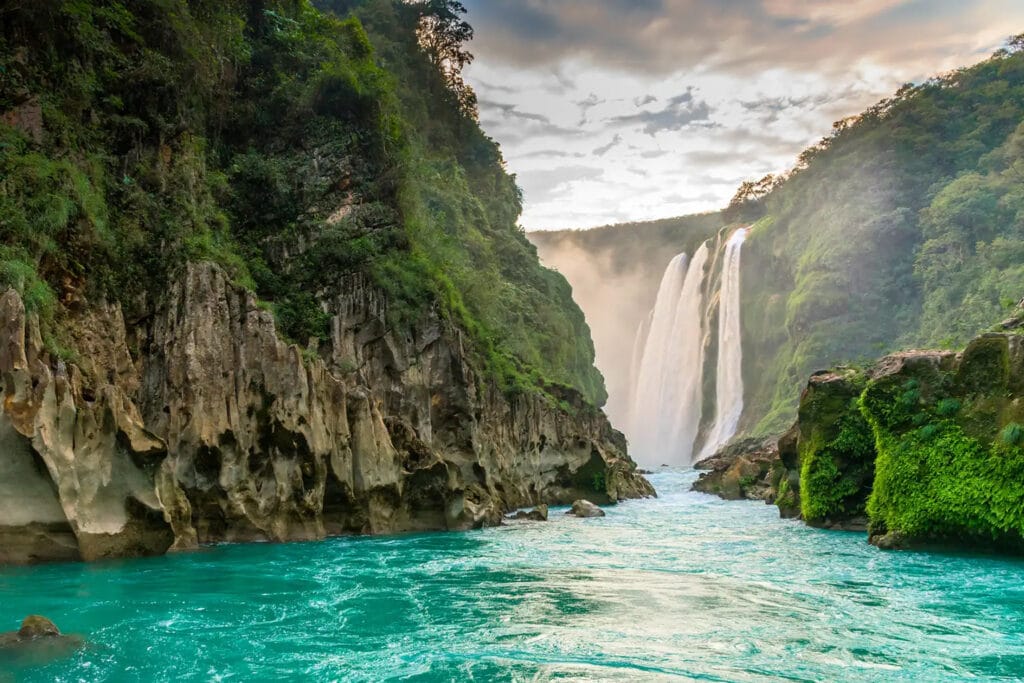
Tamul Expedition — Tamul, Water Cave and Sinkhole
12–13 h, Departs 8:00–9:00 AM
$1,550MXN per person
Huasteca Potosina culture is much more than waterfalls and tropical jungle: it's a way of life passed down over centuries, where music, dance, and handicrafts are part of the communities' everyday calendar. First-time visitors to the region encounter a collective identity that thrives in every mountain and riverside town in San Luis Potosí. Understanding Huasteca Potosina culture before you travel completely transforms your experience on the ground.
This guide brings together the essential cultural elements you should know: from the pre-Hispanic origins of Teenek culture to the modern rituals of Huasteca huapango, plus the markets for Huastec handicrafts and the places where Huastec dance is still very much alive. You'll find concrete, verified details on hours, costs, and places so your visit has real cultural depth.
At huasteca-potosina.com we work with local guides and operators in the region. This guide is updated with real experiences from people who travel the Huasteca Potosina every week. If you already have dates in mind, book your guided tour in the Huasteca Potosina, with options tailored to your cultural and nature interests.
Roots of Huasteca Potosina Culture: The Teenek People
The foundation of the entire regional identity is Teenek culture, also known as Huastec. This pre-Hispanic people lived in the Gulf of Mexico coastal region centuries before the Spanish arrived and left a linguistic, ceremonial, and artistic mark that endures in municipalities such as Aquismón, Tancanhuitz, and Ciudad Valles. Mexico's National Institute of Anthropology and History (INAH) has extensively documented their architecture and sculpture at inah.gob.mx.
The Huasteca Potosina Cultural Center in Ciudad Valles
The most accessible starting point for learning about this heritage is the Centro Cultural de la Huasteca Potosina (Huasteca Potosina Cultural Center) in Ciudad Valles. Admission is free, and it's open Monday through Friday from 8:00 a.m. to 8:00 p.m. It houses collections of Teenek clothing, original musical instruments, murals about Indigenous cosmology, and temporary exhibitions by local artisans. See related activities in our catalog of cultural tours.
The Living Teenek Language and Worldview
Teenek is a Mayan language still spoken by about 150,000 people in San Luis Potosí and Veracruz. In Aquismón's communities you can hire bilingual guides who explain the local worldview: the relationship between corn, water, and the spirits of the forest. This spiritual dimension runs through both ceremonial Huastec dance and the women artisans' embroidery. To add these visits to your route, check out the 3-day Huasteca Potosina itinerary.
Huasteca Huapango and Dance: Huasteca Potosina Culture in Motion

Nothing defines the regional identity better than Huasteca huapango. It's a music and dance genre declared Intangible Cultural Heritage of Mexico, built on three instruments: the jarana huasteca and the quinta huapanguera (two traditional guitars), plus the violin. The improvised verses—called topadas—are poetic duels in which two troubadours compete for hours in front of an enthusiastic audience. The patron saint festivals of towns such as Tamazunchale and Tancanhuitz are the most authentic places to see it.
Huastec Dance: Xantolo and Its Masks
Huastec dance reaches its fullest expression during Xantolo, the region's Day of the Dead celebration. Dancers wear masks carved from jonote wood and costumes representing characters from the underworld and the world of the living. This tradition is actively preserved in Aquismón and San Martín Chalchicuautla. If you're traveling in October or November, experiencing this festival is one of the most powerful moments of Huasteca Potosina culture.
Fandangos and Present-Day Festivals
Outside the ceremonial dates, spontaneous fandangos (folk music-and-dance gatherings) happen in plazas and markets every weekend. The Festival Huasteco, held every year in Ciudad Valles, brings together Huasteca huapango groups from the region's three states. Admission is usually free or a token fee. Check the dates of the next festival in our tours section.
Huastec Handicrafts: Where to Buy and What to Look For
Huastec handicrafts are one of the most tangible legacies of Huasteca Potosina culture. Cross-stitch embroidery on white cotton cloth, made mainly by Teenek women, depicts sacred animals and medicinal plants. Other standout products include palm weaving, ritual pottery, and handmade musical instruments such as the jarana and the quinta huapanguera.
The handicraft market in Aquismón is the top recommendation for buying directly from the makers, which guarantees a fair price and authenticity. In Ciudad Valles, the Casa de las Artesanías offers a curated selection with marked prices. Avoid roadside stands selling mass-produced replicas with no connection to the communities. To figure out how much to budget, see our guide on how much it costs to visit the Huasteca Potosina in 2026.
If you plan to stay in the mountains, find options in the guide to lodging near waterfalls in the Huasteca. For the best food experience, dinner at Papan Huasteco in Xilitla offers dishes based on traditional Teenek recipes.
Want to explore the Huasteca Potosina with an expert guide?
Tours from the Huasteca Potosina. Small groups, local guides, and transportation included.
See available tours →Do you have your Huasteca itinerary yet?
We put the trip together: a hotel in Xilitla, tours, and transportation in a single package, with set dates and a firm price.
All-inclusive packages with a hotel in Xilitla →Frequently Asked Questions About Huasteca Potosina Culture
What is Huasteca huapango, and where can I hear it live?
Huasteca huapango is a music genre played on jarana, quinta, and violin, with improvised verses. You can hear it at patron saint festivals in Ciudad Valles, Tamazunchale, and Tancanhuitz, especially on weekends during the annual Festival Huasteco.
Where can I learn about Teenek culture in the Huasteca Potosina?
The Huasteca Potosina Cultural Center in Ciudad Valles has free admission, is open Monday through Friday from 8:00 a.m. to 8:00 p.m., and has permanent collections on Teenek culture: its language, worldview, and traditional clothing.
What are the most representative Huastec handicrafts?
The most valuable Huastec handicrafts are cross-stitch embroidery on white cotton cloth, palm weaving, ritual pottery, and musical instruments such as the jarana huasteca. Aquismón's market is the best place to buy them directly from the women who make them.
When is the Xantolo Huastec dance celebrated?
The Xantolo Huastec dance is celebrated between October 31 and November 2. Aquismón and San Martín Chalchicuautla are the towns with the most authentic festivities, with masked dancers and community altars that reflect the living Huasteca Potosina culture.
Book your Huasteca Potosina experience
Tours with local guides · Small groups · Stress-free
Or let us plan your whole multi-day trip.